

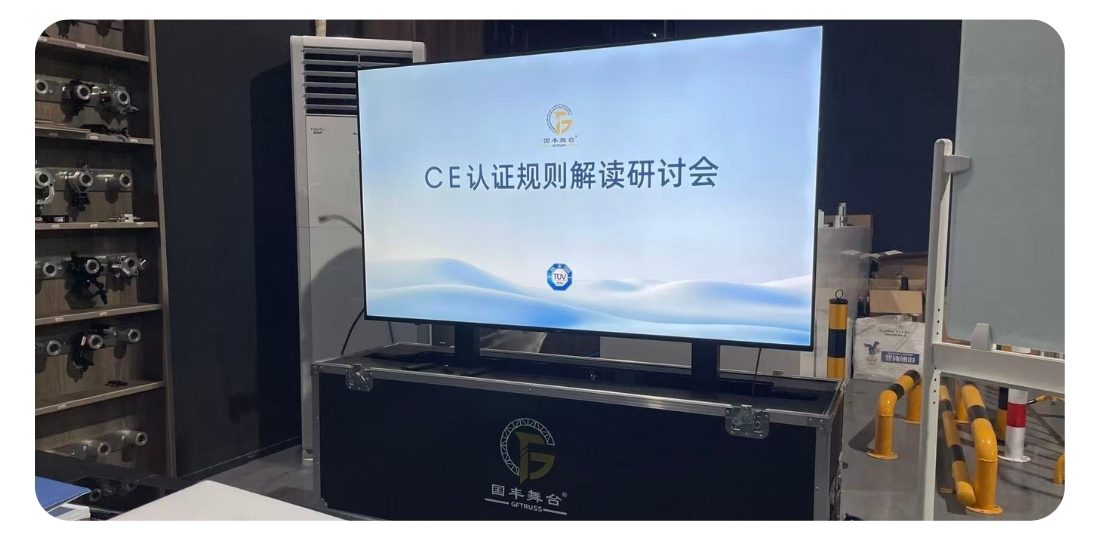
We were honored to invite an expert from the marketing department of TÜV SÜD to guide. The seminar took the form of on-site explanation and communication, focusing on the TÜV SÜD certification system and related compliance requirements, bringing a systematic and in-depth professional sharing to the company's team.
TÜV SÜD plays a crucial role in the international certification system. Its authority has been widely recognized by many enterprises and regulators around the world. It is like an impartial bridge, connecting enterprise products with the international market. Through strict testing and evaluation, it ensures that products meet the requirements of relevant international standards and regulations.
At the seminar, the expert focused on the three core concepts of compulsory certification, voluntary certification and conformity assessment to help the participants build a clearer overall understanding of the certification system.
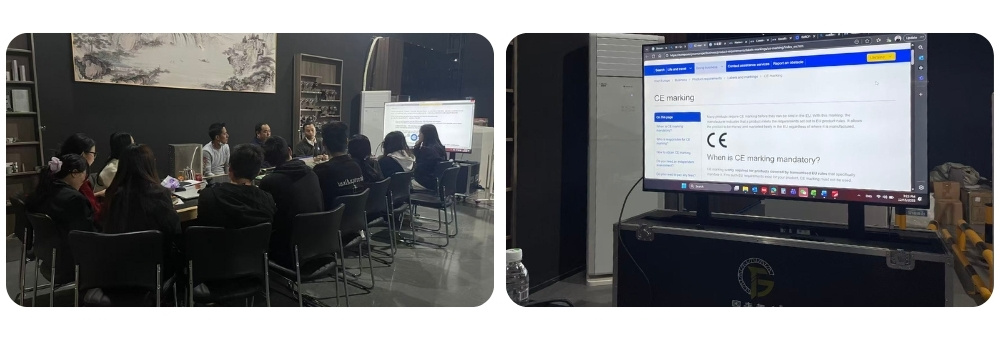
Distinguish Between Compulsory Certification, Voluntary Certification and Conformity Assessment
Compulsory certification is the certification that must be completed by laws and regulations. It is the pass for products to enter specific markets. In medical equipment, construction engineering and other fields with high safety requirements, products can only be legally sold and used through compulsory certification.
Voluntary certification is a certification method independently selected by enterprises for the purpose of improving product competitiveness and establishing brand image. Although it is not a mandatory requirement, through voluntary certification, enterprises can show customers that they attach importance to product quality and safety, thus enhancing market trust.
Conformity assessment is an evaluation method of whether a product meets specific standards or regulatory requirements. It can be carried out either within the enterprise or by a third-party organization. Through conformity assessment, enterprises can find potential problems in time and make improvements to ensure that products continue to meet the relevant requirements. Through the systematic distinction of the above concepts, team members have a clearer and more accurate understanding of the certification scope of TÜV SÜD.
Clarify the CE Certification of GF-Truss Products
For the product system of GF-Truss, the expert focused on explaining the certification path applicable to the company's products under the CE certification system. CE certification is an important prerequisite for products to enter the European market. Only products that meet the relevant requirements and obtain the CE mark can circulate freely in the European market. Different products need to follow different regulatory instructions and harmonized standards due to their different structural characteristics and usage scenarios, which also determines the specific certification path.
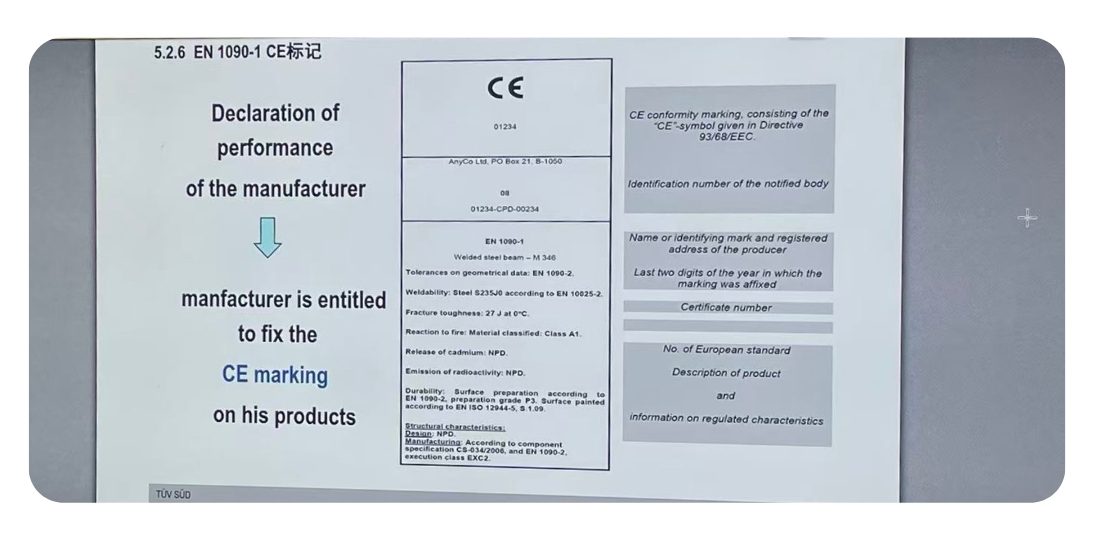
Take GF-Truss's aluminum trusses as an example, which are building structure products and need to follow the building Products Regulations (CPR) in the CE certification system. At the same time, it is also necessary to refer to relevant coordination standards, such as EN 1090-1 (design, manufacturing and installation requirements for building steel structures) and EN 1090-3 (performance and technical requirements for building aluminum structures).
Among them, EN 1090-3 specifies in detail the core requirements of aluminum alloy material performance, welding and connection method, surface treatment technology and other core requirements for the characteristics of aluminum structure, and clarifies the key points of aluminum structure in design, installation and quality control. Through the guidelines of these standards, the compliance requirements for products at all stages from design, raw material procurement, production and manufacturing to finished product testing can be clarified.
Understand the Function and Query Method of Notified Body
In the process of CE certification, the Notified Body plays a key role. It is an institution authorized by the European Union to evaluate products and issue certification certificates. It is responsible for auditing enterprise technical documents, testing product samples and other key tasks.
At the seminar, the expert introduced in detail how to query the Notified Body information of TÜV SÜD through official channels, such as verification through the official website of the European Union and the official platform of TÜV SÜD. During the inquiry process, it is necessary to focus on the scope of authorization, certification capacity and credibility of the announcement agency to ensure that it can meet the actual needs of product certification.
Standardize the Use of TÜV SÜD Logo to Prevent Compliance Risks
The TÜV SÜD logo is an important symbol of the certification of the product, representing that the product quality and safety have been recognized by international authorities. However, the use of the logo has strict boundaries and norms, and any improper use may bring serious compliance risks. At the seminar, the expert clearly pointed out that the TÜV trademark, the TÜV SÜD Group Logo and related slogans shall not be used without authorization. TÜV and TÜV SÜD are both registered trademarks, and unauthorized use is illegal.
Unify and Standardize Cognition to Improve the Level of Brand and Compliance Management
Through the systematic explanation of the standards for the use of logos, it further helps the marketing and sales teams to establish a unified and standardized use awareness, and avoid legal risks or customer misunderstandings caused by misuse of logos. For example, the use of the TÜV SÜD logo on uncertified products may not only face legal penalties, but also cause serious damage to the company's brand credibility. This seminar provides GF-Truss with clear and enforcible guidance in product compliance management, market communication and international business expansion.


 IPv6 network supported
Leave A Message
Scan to Whatsapp :
Hi! Click one of our members below to chat on
 Tel :
Tel : Email :
 English
 Français
 Pусский
 Español
 العربية